What Do Home Inspectors Look For?
Posted on Aug 12, 2026 / Posted in Homeowners
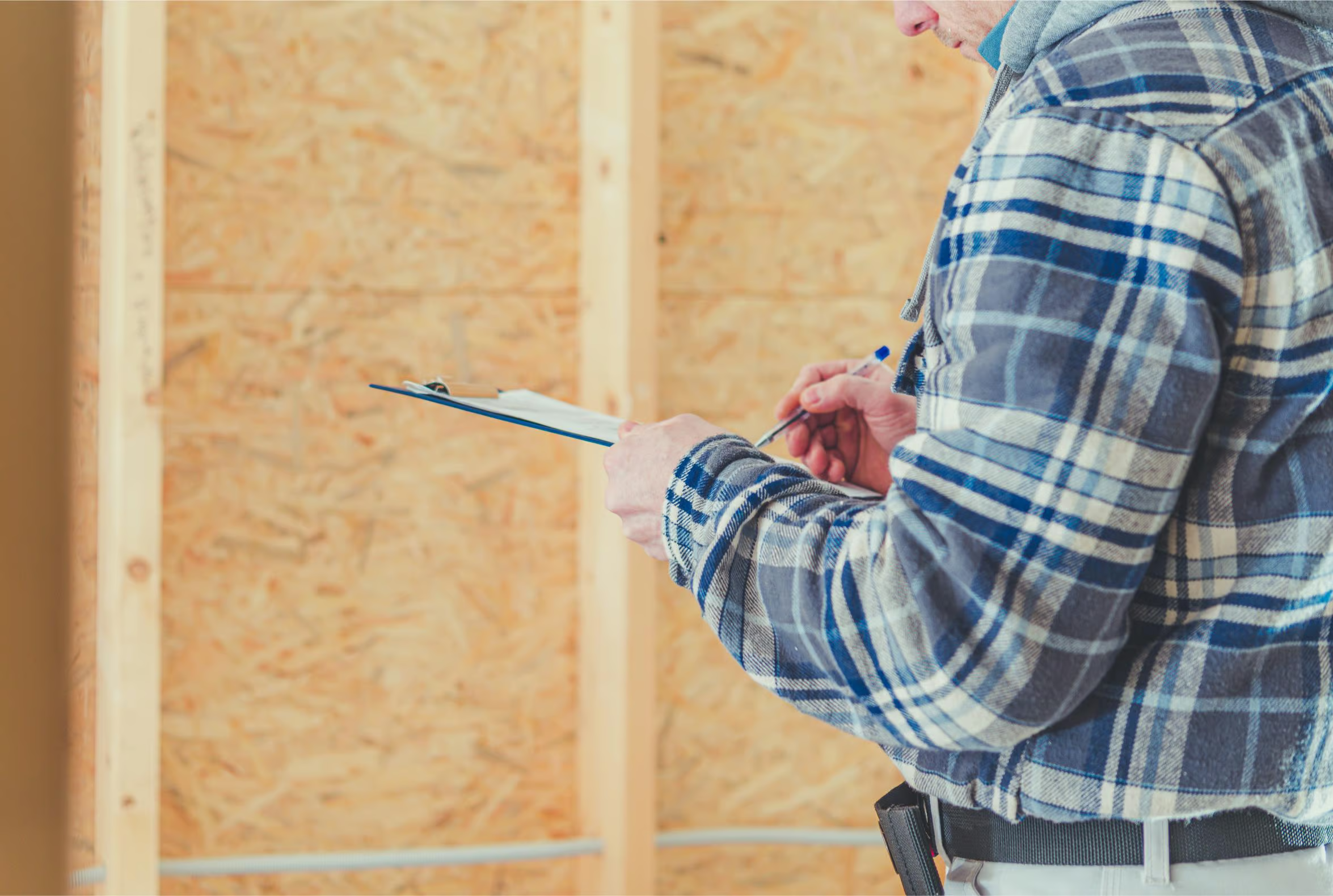
If you’re about to buy or sell a house, there will very likely be a home inspection in your future.
Inspections are an important part of real estate transactions, protecting both buyers and sellers from costly issues, delays, and other stressful situations.
If you’ve got a move coming up, it’s important to understand how home inspections work, what they cover, and just as importantly, what they don’t.
Let’s take a closer look at what home inspectors look for and other ways to protect your interests as a buyer or seller.
Searching for your dream home?
Explore our featured listings.
What is a Home Inspection?
A home inspection is very much what it sounds like: a professional specialist (called an Inspector) performs an in depth examination and assessment of a particular property.
In the context of either buying or selling a home, there are two main types of home inspection.
First, there’s the pre-purchase home inspection. By far the more common of the two, it’s more or less a standard element of all real estate transactions in today’s market (although some buyers may decide not to include an inspection condition when facing competing offers).
This type of inspection happens after a buyer’s offer has been conditionally accepted, allowing them to have the property professionally inspected before the deal closes.
A pre-listing home inspection, on the other hand, is a little different. This is when a homeowner decides to proactively have their property inspected before officially listing it for sale. In some cases, a seller may suspect their house has hidden issues that they’d rather address in advance, rather than facing setbacks or issues later on.
Thinking about buying a home? Check out these related blogs next!
- How to Buy a House Before Selling Yours
- What’s the Average Down Payment on a House in Ontario?
- First Time Home Buyer Checklist
What Does a Home Inspection Include?
A home inspector’s checklist includes a range of important elements related to the house’s condition, functionality, and comfort. While their analysis is largely visual, they may perform basic physical tests if needed. So what does a home inspector check?
Outside the House
- Foundation
- Exterior Walls (Siding)
- Exterior Doors and Windows
- Decks and Patios
- Drainage Systems
- Exterior Ventilation
- Roof
Inside the House
- The Attic
- Electrical Systems
- Heating and Cooling Systems
- Insulation Materials (if immediately visible)
- Interior Ceiling, Floors, and Walls
- Interior Ventilation
- Plumbing
What a Home Inspection Doesn’t Cover
Home inspections cover the most important structural and systemic aspects of a house, but they’re not completely bulletproof. It’s simply not practical or possible for an inspector to analyze every square inch of a house before it’s bought or sold. So, what’s left off of an inspector’s checklist?
Invasive Investigations
Home inspectors don’t tamper with a home’s walls or floors unless specifically requested. As a result, there could be issues hiding behind a wall or below the floorboards that aren’t outlined on your inspection report.
This is where your real estate agent’s knowledge can be a protective asset. Considering certain details about the property (age, builder, condition, previous renovations), they can assess risk and anticipate potential problems without invasive investigation.
Toxins or Environmental Risks
Hazardous materials are another thing inspectors don’t fully probe. Homes today are built using safe, non-toxic materials. However, it wasn’t always this way.
Problematic materials like asbestos and lead paint can still be found in some older properties. If not addressed or fixed, they can pose legitimate risks to your health (and property value).
Although they don’t dedicate a specific portion of their report to toxins or environmental hazards, most inspectors will acknowledge any obvious or immediately visible issues like mould or pest droppings should they encounter them incidentally.
How Long Does a Home Inspection Take?
Every property is unique and therefore, every inspection process looks a little different. Inspecting a condo, for example, wouldn’t typically take as long as a 3,000 square foot 3-storey house.
That said, home inspections rarely take a full day to complete. On average, your typical inspection is anywhere from two to four hours depending on the house itself.
Searching for more home-selling advice? Consider these other posts from our blog.
- What Adds Value to a House?
- Questions to Ask Your Vaughan Real Estate Agent Before Selling
- What to Look For in a Listing Agreement
Realize Your Real Estate Goals With Lino Arci
If you’re thinking about buying or selling real estate in the Greater Toronto Area, partner with Vaughan’s number one real estate team: the Lino Arci Team. With decades of experience and thousands of real estate deals under our belt, we have the strategies and expertise to help you exceed your goals.
Buying or selling? We Can Help! Call 416-571-2724 or send an email to info@arciteam.com today!

Interested in Learning More?
Reach out by using the form below, call us here, or email us here today.
"*" indicates required fields